Comparing the Cost of Internal Observability Platforms vs. Commercial Solutions
Recently, our internal team was tasked with calculating the cost of the observability platform we’ve built and maintained in-house, tailored for a specific use case within our enterprise. The results were eye-opening, especially when compared to leading commercial solutions like Grafana Labs’ Cloud offering, Splunk, and the emerging Coralogix platform.
Understanding Observability Platform Costs
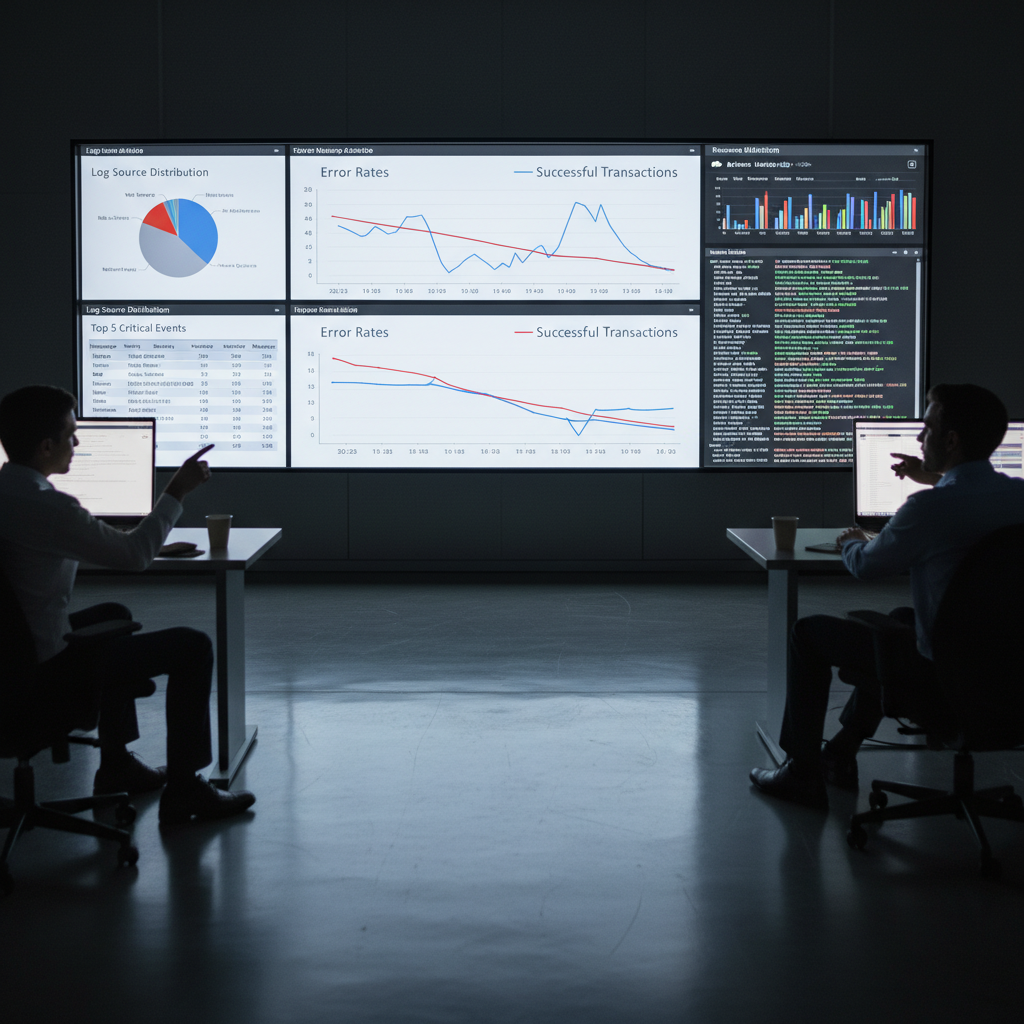
Before diving into the cost specifics, it’s important to frame exactly what we’re comparing. Our internal platform supports a massive production footprint involving over 3,000 instances and 200+ production databases, managed through 26 identical stacks by a dedicated team of 5 engineers. This scale translates to processing and managing enormous volumes of data, including a staggering 19 billion log lines generated daily from just one of the brands we serve.
Internal Platform Cost Factors
Key elements contributing to our internal cost include:
- Engineer time and expertise — 5 skilled engineers continually managing, updating, and optimizing the platform.
- Infrastructure costs — supporting 26 stacks and large scale data ingestion pipelines.
- Automation and productization — extensive runbooks and automation scripts that increase efficiency while ensuring reliability.
The ability to productize the platform internally, including well-crafted runbooks and automation, has been critical in keeping operational overhead manageable while maintaining high reliability standards.
Commercial Solutions in Comparison
We compared our internal costs against the subscription pricing of prominent commercial services:
- Grafana Labs’ Cloud, a popular open-source-based monitoring platform with cloud hosting and advanced analytics capabilities.
- Splunk, a widely-used observability and log analytics solution applicable in various enterprise segments.
- Coralogix, an emerging player known for innovative log analytics features and cost-effective tiers.
Price Differences and What They Mean
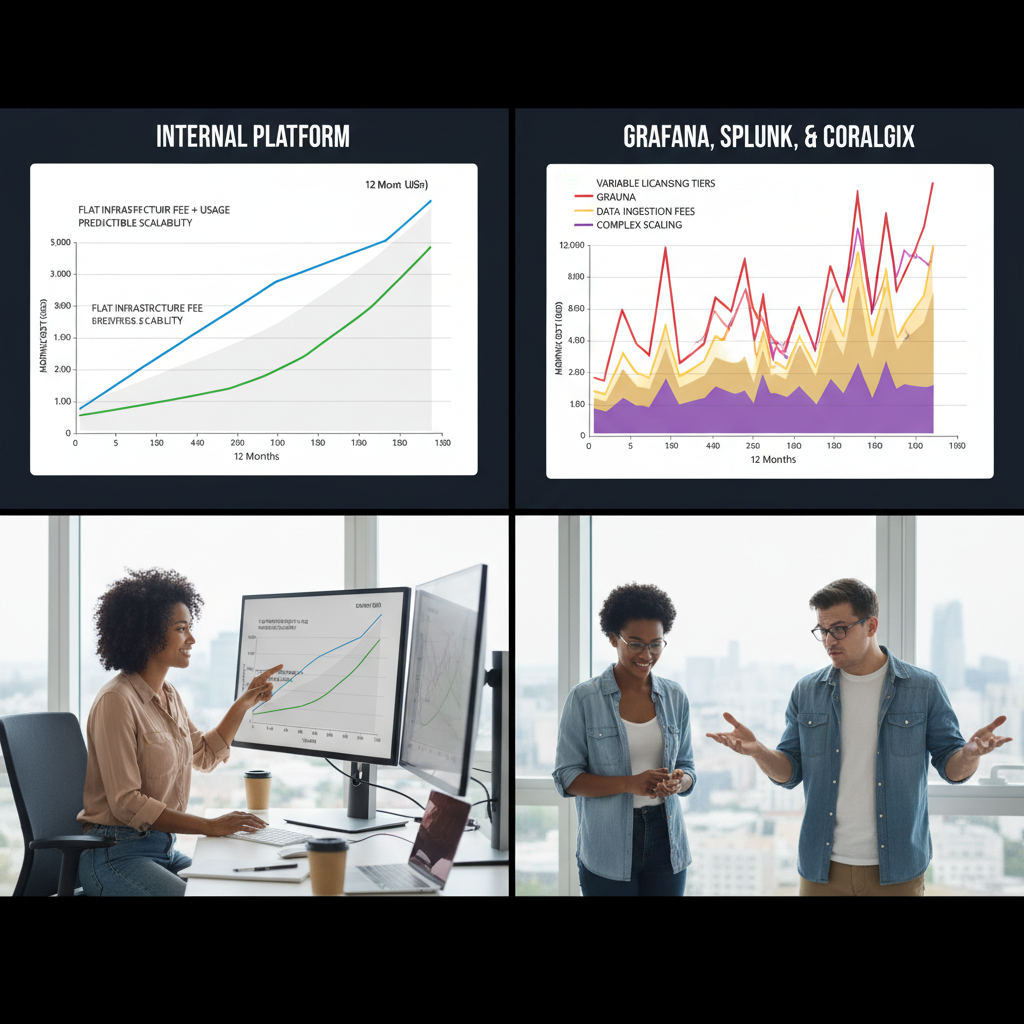
The monthly costs for our specific sub-division showed a substantial price difference compared to these commercial options. While commercial solutions offer quick setup and broad functionality, they come with subscription fees that quickly add up with scale, especially when ingesting billions of log lines daily. Our internal platform, although involving significant upfront investment in engineering and infrastructure, shows strong cost advantages at scale.
Lessons and Recommendations
When to Consider Building Your Own Platform
Large enterprises with high log volumes and unique operational requirements might benefit from building and maintaining an internal observability solution. Key indicators include:
- High data ingestion volumes creating high ongoing commercial license costs.
- Availability of skilled platform engineering and SRE teams.
- A need for customized automation and runbooks to optimize operations.
When Commercial Solutions Might Be Best
Smaller teams or organizations looking to minimize operational overhead should consider commercial services for their simplicity, integrations, and support ecosystems.
Conclusion: Balancing Cost and Capability
Our experience highlights the importance of evaluating observability platform costs in the context of scale, team capabilities, and long-term operational goals. Both internal and commercial platforms have their place in enterprise architectures, but understanding total cost of ownership is key to making the right decision.
If you’re interested in learning more about how we designed, optimized, and scaled our internal observability platform, please feel free to like this post or leave a comment below!

Relevant hashtags: #Observability #FinOps #PlatformEngineering #CloudComputing #SiteReliabilityEngineering #AWS #Grafana #Splunk #CoraLogix #EngineeringLeadership #DevOps #Infrastructure #TechStrategy #CloudNative #DigitalTransformation